
 English
Views: 0 Author: Site Editor Publish Time: 2026-11-04 Origin: Site


Can one loose connection ruin a massive building? Absolutely. Structural failure rarely begins with a catastrophic collapse. It often starts at a single compromised joint. Standard fasteners frequently allow slight micro-movements. Over time, this shifting systematically destroys entire frameworks when they are subjected to heavy vibrations or environmental stress.
Enter the high-strength friction fastener. Unlike standard bearing bolts that rely on the physical presence of the steel shank to stop movement, these specialized components act as heavy-duty industrial clamps. They squeeze steel plates together so tightly that the resulting friction carries the entire structural load. In this comprehensive guide, we will explore exactly when these critical fasteners are required, the physics behind their zero-movement design, and the rigorous installation methods necessary to guarantee structural safety from a frontline engineering perspective.
Load Transfer Mechanism: Loads are transferred through extreme clamping force and friction between steel plates, rather than the shear strength of the bolt shank itself.
Critical Applications: These specialized fasteners are strictly required in structures subjected to dynamic loads, severe vibrations, or reversing forces. Heavy-duty crane girders and earthquake-resistant high-rises are prime examples.
Surface Preparation is Mandatory: Achieving the necessary rigidity requires meticulous surface preparation. The mating steel surfaces cannot be painted, oiled, or galvanized without specific engineering treatments.
Controlled Installation: Proper installation is a highly controlled process requiring specific tensioning methods to guarantee exact clamping forces on the job site.
Preventing Joint Slippage: Using these high-strength systems completely prevents joint slippage. This zero-movement characteristic is absolutely critical for maintaining the long-term alignment and safety of large-scale steel frames.
To fully grasp when these components are necessary, we must first define their mechanical nature. A friction grip fastener is a specialized high-tensile steel bolt designed to be tightened to a highly specific pre-determined tension. Standard bolts simply hold two pieces of material together loosely until the load shifts them into place. Friction grip fasteners are engineered to create a massive immovable clamping force.
The mechanics of this connection represent a fundamental shift in structural engineering. In a standard bolted joint, the bolt acts as a physical pin. If the steel plates try to slide apart, they eventually hit the side of the bolt, which physically stops them. A high-strength friction connection works entirely differently. By tightening the nut to an extreme degree, the bolt squeezes the two steel plates together so intensely that the resulting friction between them prevents any movement whatsoever. The actual structural load is carried by this friction between the two connected steel surfaces, known as the faying surfaces. The load is never carried by the bolt shank pressing against the edge of the drilled hole.
Because they must maintain this immense clamping pressure over decades without relaxing, these bolts are manufactured from high-grade carbon or alloy steel. The most common grades used in heavy construction are Grade 8.8 and Grade 10.9. The high yield strength of these materials is strictly necessary. A weaker steel would stretch and eventually yield over time, causing the joint to lose its vital tension.
The primary reason structural engineers specify these expensive fasteners is to achieve absolute rigidity in a connection. This rigidity is governed by the basic physics of friction and normal force.
When the bolt is tightened, it stretches elastically, creating a massive normal force on the steel plates. This normal force, multiplied by the friction coefficient of the raw steel, creates what engineers call Slip Resistance. As long as the external forces pushing against the joint do not exceed this calculated resistance, the steel plates will never slip or shift. They will not move even by a single millimeter.
Consequently, the condition of the exact area where the steel plates touch is paramount. To maximize the friction coefficient, these faying surfaces must be meticulously prepared. They must be completely clean, unpainted, and free of mill scale, dirt, rust, or oil. If any unauthorized lubricant or standard protective paint is present, the friction drops dramatically. The joint will inevitably fail under heavy load.
It is helpful to contrast this with a standard bearing connection. In a bearing connection, the joint is actually expected to slip slightly when a load is applied. The plates slide until the edge of the drilled hole makes physical contact with the bolt shank. At that point, the bolt carries the load through shear by resisting being cut in half. Friction grip connections allow zero slip, making them fundamentally superior for rigid frameworks.
Looking at recent developments across the global construction sector, there is a clear and accelerating trend toward specifying slip-critical connections. As climate change drives more extreme weather events and urban centers expand into seismically active zones, modern building codes are becoming significantly stricter. Engineers are no longer just designing for static dead loads. They are designing for dynamic resilience.
Recent industry analyses show a sharp rise in the demand for modular steel construction and heavy infrastructure retrofits. In these high-stakes projects, the structural integrity relies heavily on the joints rather than just the steel beams themselves. We are seeing a major push toward using Grade 10.9 fasteners combined with advanced surface treatments to guarantee maximum friction coefficients. This shift highlights a broader industry consensus. Long-term structural safety requires eliminating micro-movements at the connection level, driving the widespread adoption of friction-based fastening systems in modern steel fabrication.
Understanding the mechanics leads directly to the core question of when these labor-intensive bolts are actually required. Structural engineers mandate their use in specific scenarios where joint movement would be catastrophic.
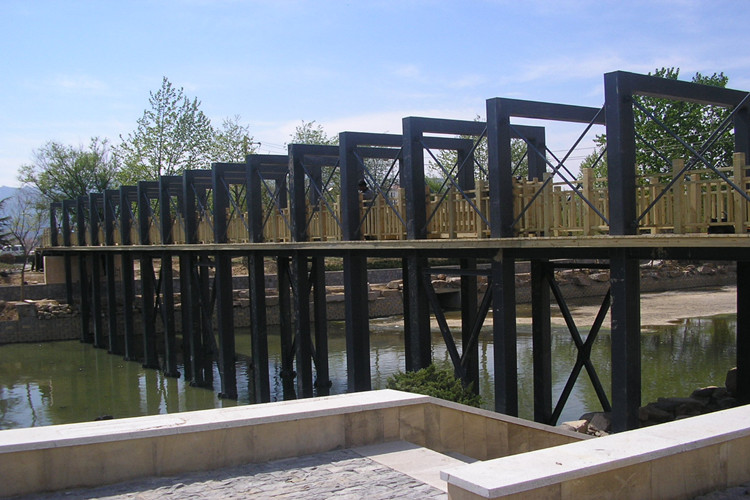
A steel Bridge or a highway overpass is the most classic example of a structure that absolutely requires these connections. Bridges do not just hold dead weight. They are subjected to constant dynamic moving loads. As heavy trucks or trains cross the span, the structure flexes and vibrates. This constant vibration is highly destructive to standard bearing joints. Micro-movements would eventually cause nuts to vibrate loose, or the repeated impact of steel plates hitting bolt shanks would cause severe fatigue failure. The friction grip absorbs these dynamic forces, preventing the microscopic movements that lead to metal fatigue.
In high-rise buildings or structures located in active earthquake zones, forces do not just push down. They push sideways and reverse direction rapidly. During an earthquake or a severe hurricane, a building frame will attempt to sway. If the joints are allowed to slip even a fraction of an inch, the cumulative effect across hundreds of joints can cause the entire steel skeleton to warp, rack out of alignment, or collapse. High slip resistance ensures that the entire steel frame behaves as a single rigid unit, safely transferring seismic energy down to the foundation.
Manufacturing large steel components involves practical tolerances. Sometimes when erecting a massive structure on-site, engineers must use oversized or slotted holes to ensure the massive steel beams align correctly. If standard bearing bolts were used in oversized holes, the joint would shift significantly before making contact. Because friction clamps the plates together, the size or shape of the hole does not matter. The plates are locked securely regardless of the extra space around the shank.
Industrial environments often house heavy vibrating machinery. Structures supporting crane runways, power plant turbines, or heavy manufacturing equipment experience severe cyclic loading. Friction grip connections distribute these rhythmic stresses across the broad surface area of the steel plates rather than concentrating them on the narrow shank of a bolt. This drastically increases the lifespan of the industrial frame.
To make informed decisions about heavy steel framing, project managers and engineers must understand the exact differences between standard bearing fasteners and high-strength friction systems. The table below outlines the critical distinctions.
| Engineering Feature | Standard Bearing Type Fasteners | High-Strength Friction Grip Fasteners |
|---|---|---|
| Primary Load Transfer | Shear strength and bearing pressure against the inner hole | Massive friction between mating steel plates |
| Joint Movement | Allows micro-movements until physical contact occurs | Zero movement allowed; creates a completely rigid joint |
| Tolerance to Vibration | Low risk of loosening and metal fatigue under cyclic loads | Extremely high performance for dynamic and moving loads |
| Surface Preparation | Minimal requirements with standard paint or light rust acceptable | Strict requirements demanding clean bare steel or specialized primers |
| Installation Method | Standard tightening using normal hand or impact tools | Precision tensioning required via calibrated testing instruments |
While the structural benefits are undeniable, these high-strength fasteners are not used for every single connection in a building due to cost. Friction grip connections are significantly more expensive. The real expense lies in the labor. The meticulous surface preparation, specialized installation tools, and rigorous third-party inspections require highly skilled ironworkers. Engineers reserve them specifically for primary load-bearing or dynamic joints while utilizing standard bolts for static secondary connections.
Translating structural theory into practical procurement requires matching the right fastener grade with the correct steel fabrication standards. You cannot simply buy a high-strength bolt and expect it to perform without considering the surrounding steel matrix.
When fabricating heavy structural components using Q355B or Q345B grade structural steel, the mating surfaces must be prepared to match the fastener's capabilities. Professional fabrication facilities typically utilize automated abrasive shot blasting to achieve an SA 2.5 surface roughness standard. This specific rough texture guarantees a friction coefficient of at least 0.45 to 0.50. This high coefficient is absolutely mandatory for Grade 10.9 fasteners to function correctly in heavy-duty applications.
If your project involves erecting modular steel bridges or heavy industrial workshops, specifying an HSFG Bolt system is non-negotiable. Ensure your fabrication partner has the technical capacity to deliver bare-steel faying surfaces or apply highly specialized zinc-silicate friction primers that comply with stringent slip-critical testing codes.
The structural integrity of any high-stress connection relies entirely on how accurately the fastener is installed. If the exact amount of pre-tensioning is not achieved, the required slip resistance will not materialize. The installation process is a meticulous engineering procedure demanding precise surface preparation and highly controlled tightening methods.
To achieve the immense clamping force required, the bolt must be stretched to a precise point just below its yield strength. The most common approach involves using a heavy-duty calibrated Torque Wrench. This method relies on the mathematical relationship between the rotational force applied to the nut and the resulting tension in the bolt shank. Because friction in the threads can consume up to 90% of the applied energy, the wrench must be calibrated daily using a static torque meter or a tension calibrator. The sharp click of the wrench indicates the target has been reached. Operators must ensure the tool is perfectly calibrated to avoid dangerous under-tightening or bolt fracture.
The part-turn method is another highly reliable technique because it measures the actual elongation of the bolt rather than relying on rotational force. Workers first bring the joint to a snug-tight condition using a standard spud wrench. Once snug, the nut and steel plate are match-marked with a visible line. The nut is then rotated a specific mathematically predetermined number of degrees. This precise physical rotation stretches the steel by an exact amount.
To completely remove human error, many modern projects utilize Direct Tension Indicator washers. These are specially manufactured washers with raised metal protrusions. As the fastener is tightened, the clamping force physically crushes these protrusions flat. Once the gap is reduced to a specific tolerance, the installer has immediate mechanical proof that the correct tension has been achieved.
Because the safety of a structure relies on invisible clamping forces, quality control and inspection protocols are incredibly stringent. Quality assurance begins long before the first ironworker steps onto the steel frame to establish a true Friction Grip.
Before assembly begins, inspectors must verify the material test reports to ensure the steel grade meets specifications. Batch traceability is critical. Bolts and nuts must be stored and used as matched sets from the same manufacturing lot. Inspectors check the daily calibration logs for every tensioning tool on site and visually confirm that the faying surfaces remain free of unauthorized paint, oil, or flash rust.
During and after installation, visual inspection alone is insufficient. For joints tightened using the part-turn method, inspectors look for the match-marks applied during the snug-tight phase to confirm the exact required rotation. When indicator washers are used, inspectors utilize calibrated feeler gauges. By attempting to insert the thin metal gauge into the crushed gaps of the washer, they can mechanically verify the tension. If the gauge cannot enter the gap, the minimum required tension has been successfully achieved.
Ensuring the bolts are tightened in the correct sequence is a critical aspect of quality control. Tightening bolts randomly will cause the steel plates to warp, trapping uncompressed steel in the center of the joint. Engineering standards dictate that tightening must always start from the most rigid part of the joint, usually the center, and progress systematically outward toward the free edges. This pattern ensures the plates are drawn together evenly and completely flat.
Even with high-quality materials and strict protocols, installation errors can completely neutralize the benefits of high-strength fasteners. Avoiding these common mistakes is essential for maintaining structural safety.
Painting the faying surfaces is arguably the most dangerous mistake made in steel construction. Standard anti-corrosion paints and epoxies act as highly effective lubricants when clamped under extreme pressure. If a contractor mistakenly paints the overlapping areas of the steel plates, the coefficient of friction drops to near zero. When the structure is subjected to loads, the joint will slip violently until the bolts bear against the edges of the holes, potentially triggering a catastrophic collapse.
Attempting to reuse a fully tensioned fastener is another severe error. To achieve the necessary clamping force, these fasteners are purposefully tightened past their elastic limit into plastic deformation. The steel has permanently yielded or stretched. If a fully tensioned fastener is later loosened to realign a beam, it loses its original elasticity. Attempting to retighten that same piece of hardware will fail to generate the required force. The metal is highly likely to snap under pressure. Once fully tensioned and loosened, it must be discarded.
Improper storage can easily ruin a connection. Manufacturers supply these components with a very specific light coating of water-soluble oil or wax lubricant to ensure thread friction remains consistent. If stored improperly and exposed to rain, dirt, or extreme heat, this factory lubrication degrades and threads develop light rust. When an installer attempts to tighten a weathered fastener, internal thread friction spikes. The tensioning tool might indicate the correct rotational force has been reached, but the energy was wasted fighting rust rather than stretching the metal. This results in a dangerously loose joint.
High-strength friction fasteners are the unsung heroes of modern steel structures. They are designed specifically to stop joint slip using an immense unyielding friction grip. While standard fasteners are perfectly suitable for static secondary framing, high-strength friction systems are the absolute gold standard for dynamic, vibrating, and seismic-resistant frameworks.
Their incredible strength is entirely dependent on meticulous surface preparation and highly controlled installation methods. Whether you are erecting a skyscraper, a heavy-duty industrial plant, or a massive infrastructure project, following strict engineering rules and utilizing calibrated tensioning tools is non-negotiable.
If your upcoming project demands uncompromising structural integrity, selecting the right fabrication partner is just as critical as the fasteners themselves. For custom heavy structural steel fabrication, modular bridges, and specialized industrial frameworks, explore the proven engineering solutions at Sino Steel Structure to ensure your next build stands the test of time.
No. Once a high-strength bolt is fully tensioned, it undergoes plastic deformation, meaning it permanently stretches. If it is loosened for any reason, it must be discarded and replaced with a brand new bolt to ensure proper clamping force. Reusing a yielded bolt will result in a failure to achieve the required tension and can cause the fastener to fracture during re-installation.
Grade 10.9 bolts have a significantly higher ultimate tensile strength and yield strength compared to Grade 8.8. They are specified when even higher clamping forces and extreme slip resistance are required in heavy-duty steel frames. This higher strength often allows engineers to use fewer bolts or smaller diameter fasteners while maintaining the exact same structural integrity.
Standard paint acts as a powerful lubricant under extreme pressure. For a friction grip connection to function, the steel surfaces must maintain a very high coefficient of friction. Paint drastically reduces this friction, which will inevitably cause the joint to slip violently under load, leading to severe structural misalignment or bolt shear failure.
While a calibrated wrench is a primary and highly common method, other approved methods exist. These include the part-turn method, which measures mechanical bolt elongation, or using Tension Control Bolts which are designed to physically snap off at the correct tension. Direct Tension Indicator washers are also widely used to visually and mechanically verify tension without relying solely on rotational force.
No. They are only mandatory for specific connections that experience dynamic loads, severe vibrations, reversing forces like seismic events, or where joint slippage is completely unacceptable due to structural tolerances. Standard bearing-type bolts are highly effective, more economical, and perfectly sufficient for many static secondary connections in standard construction.
Slip resistance itself is generally not tested directly on the erected steel frame. Instead, it is guaranteed through strict quality control of the surface preparation prior to assembly and verifying the exact tension of the installed bolts. Inspectors check the surface roughness profile using surface comparators and ensure no unauthorized coatings are present. The clamping force is then verified using feeler gauges on indicator washers or by observing proper turn-of-nut match marks.
Yes, in structural engineering terminology, an HSFG bolted joint is the exact same concept as a slip-critical connection. Both terms describe a fastening method where the bolts are highly tensioned to clamp steel plates together, relying entirely on the friction between the faying surfaces to transfer the load and prevent any movement.
